Architecture aims at Eternity
KERSIN ONG
BUILDING TECHNOLOGY 1
In this module we will be exposed to a more extensive study of building construction by investigating the latest and more advanced technology and practice of the industry; from site analysis to all the advanced construction systems, energy efficiency, waste management, embodied energy as well as the latest construction methods. In addition it also intends to expose students to the study of construction through case studies of existing buildings and applying the construction methods and systems of the building into their own design while addressing the issues pertaining to ecological impact.
The objectives of the module are:
-
To develop analytical and critical research of principles, practices and details of construction technology in the process of documentation.
PROJECT: Construction Solutions


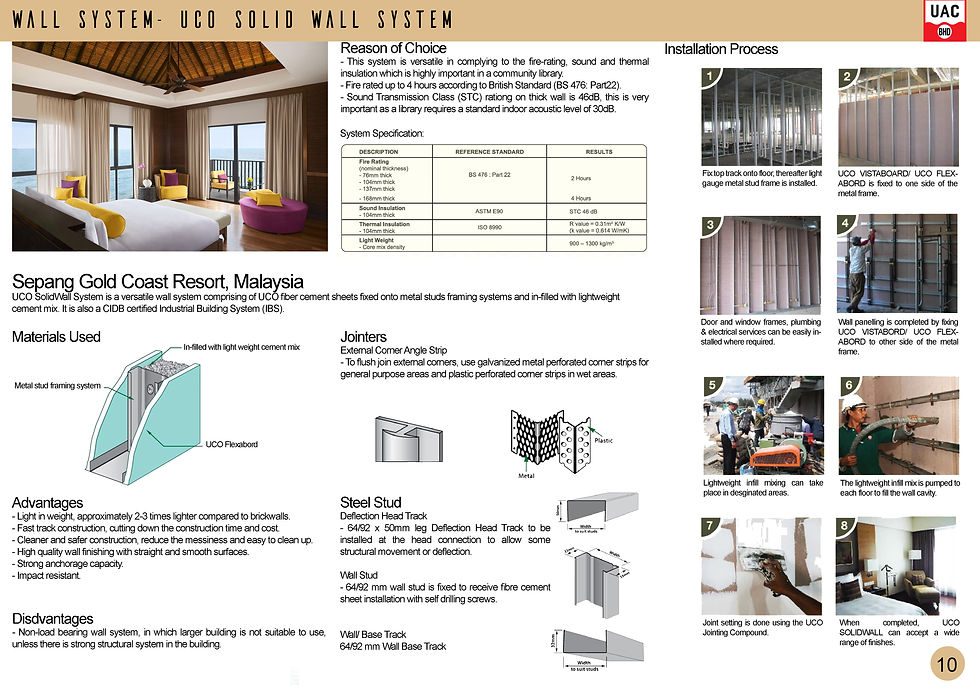


This assignment is aligned with the Studio Design Project (semester 4 and 5) and aims to facilitate students in the technical studies and development of their design. It deals with the analysis and establishment of the structural and the envelope systems of the student’s design to ensure that the design has logical and workable construction systems. It also encourages students to think about construction as integral part of the design and not just an afterthought. Most of the times amateur designers tend to design their spaces without thinking about the construction aspects and later on have to change and redesign their schemes due to the designs were unbuildable. This assignment was designed with the intention to tackle this issue and to increase the technical competency of students.
The objectives of this assignment are as follows:
-
To encourage analytical and critical study of the principles, practices and details of building technology in the student’s own design.
-
To encourage students to consider the construction aspects throughout the design process.
-
To adapt and implement the alternative construction systems into the students’ design.