Architecture aims at Eternity
KERSIN ONG
DESIGN COMMUNICATION
Through this module we learnt the basics about sketching, and some randering methods like hatching, cross-hatching, stippling and scribbling. The techinque used to draw techinical drawings, how to study the floor plan as well as the sections, elevations and so on. How to interpret the informations and details in the buildings through these technical drawings.
Project 1a:
on site-sketching
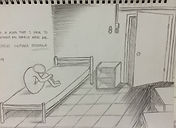
We were required to sketch on the site in order to understand the meaning of space in architecture. Besides, through this project, we are able to visualize the space through observation when we are sketching on-site and also the perception of this site. We can improve our skills in sketching as well.
From the comments that i had received from my tutor, i found a way to improve my sketching skills, no matter in choosing the site or visualizing the space, we have to be very critical in each steps of this.


Project 1b:
on site-sketching
In this project, we learnt about different technique of rendering like hatching, cross-hatching, stippling and scribbling. All of them are different and the effects coming out will be different. The energy or the force we apply will affect the final product as well. The way we render, the tools we use and many other things will bring out different image of the final product.


Project 2a:
orthographic drawings
In this project, we have to draw the orthographic drawings of the building, Barcelona Pavillion. We had to draw the floor plan (scale 1:100) with all the informations included. We learnt about the symbols used in thie orthographic drawings like doors, walls and also windows.
Besides, we had to draw the sections and elevations as well. The line-weight is very important in each of these orthographic drawings. The understanding of us to this building and interpretting of the informations in this building to the orthographic drawings are very important and concerned too.

Project 2b:
axonometric drawings
In this project, we learnt about how to draw an axonometric drawings with exploded drawings. In axonometric drawings, the line weight is very important as well. We have to think critically when choosing the angle to turn our floor plan to draw our axonometric drawing. We have to choose an angle that gives better view and shows more informations of this building.


Project 2c:
perspective drawings
We have to draw 2 perspective drawings in this project, one is the 2-point exterior perspective drawing of the building and also 1-point sectional interior perspective.
In perspective drawings, the point of view we choose is very important like the angle we choose for the axonometric drawings. It is because if the point of view is good enough, it can bring out more informations and details in the buildings to the perspective drawings.

Project 3:
orthographic drawings
In this last project of sem 1, we have to draw the orthographic drawings of our models of the last project in Design Studio 1. This is also a project that conclude everything that we had learnt from previous projects. We have to draw floor plan, sections, elevations, axonometric drawings and perspective drawings of our model.

